

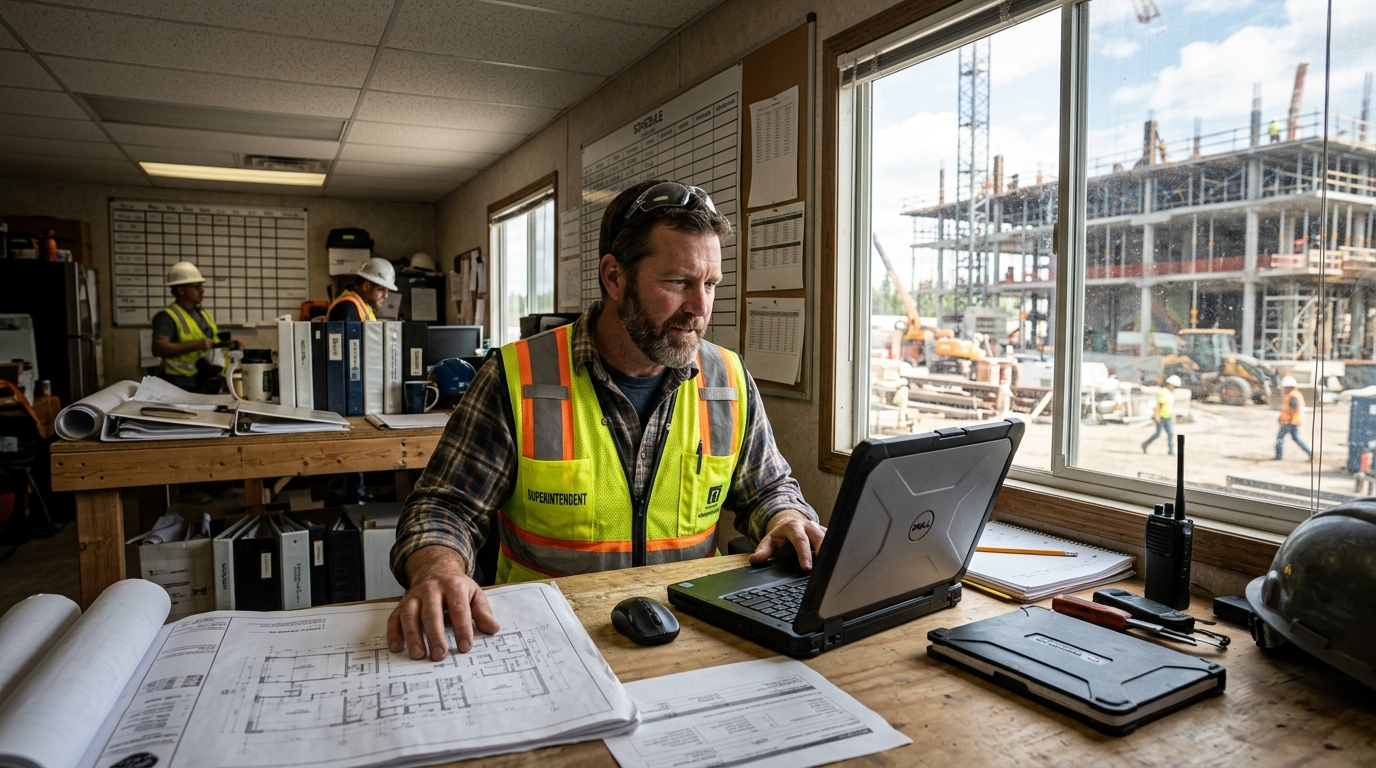
Construction projects create information from beginning to end.
Contracts. Plans. Submittals. Schedules. Correspondence. Photos. Change information. Project records. Financial information.
Different information is created at different points in the project, often by different people and for different reasons.
And much of it may become important somewhere else later.
Information captured during one stage of a project may become important during another. A decision documented today may provide context months later. Leadership may need information created across several parts of the operation to understand what’s happening.
Having access to all of that information is important.
But access alone doesn’t necessarily make the next decision easier.
Someone still has to determine what matters, whether the information is current, what context surrounds it, and whether they can rely on it.
More information doesn’t always mean better decisions.
The goal is to make the information the business depends on useful to the people who need to make decisions.
Project Information Has a Purpose
Project information isn’t created simply to fill a folder or populate a system.
It supports the work.
Information created when a project is set up may become important during project execution.
Information captured in the field may help someone in the office understand what’s happening on the project.
A decision documented during the project may provide important context later.
Information created throughout the work may eventually be needed for closeout or to understand something that happened months earlier.
The exact processes will vary between construction companies and projects.
But the underlying idea is important:
Project information often has value beyond the task or person that originally created it.
That’s one reason how information moves through a construction company matters.
The person creating it today may not be the person who needs it tomorrow.
More Information Can Still Leave Someone Searching for an Answer
Imagine someone trying to understand a project issue.
They may have access to plans.
Submittals.
Schedules.
Photos.
Correspondence.
Change information.
Other project records.
Technically, they have a lot of information available.
But they may still have questions.
Which information relates to the issue?
What is current?
Did something change?
What happened before?
Is there additional context somewhere else?
Which information can they rely on?
Finding the answer may require more than finding a file.
Access to information and understanding the situation aren’t the same thing.
That’s an important distinction when evaluating construction technology.
A system can successfully store large amounts of information without necessarily making it easy for someone to understand what matters to the question in front of them.
The Question Determines What Information Matters
Not everyone needs every piece of project information.
And the same person may need different information depending on the decision they’re trying to make.
That means the starting question shouldn’t always be:
How do we give people more information?
A better question may be:
What does this person need to understand to make the decision in front of them?
Then work backward.
What information would help them understand the situation?
Where does that information come from?
What context do they need?
How current does it need to be?
Who else may have information that matters?
This changes the objective.
Instead of trying to make everything available everywhere, the focus becomes making the right information useful to the people who need it.
Technology can then support that objective rather than defining it.
Context Helps People Understand the Decision
Finding the right information is important.
Understanding how it relates to the decision is just as important.
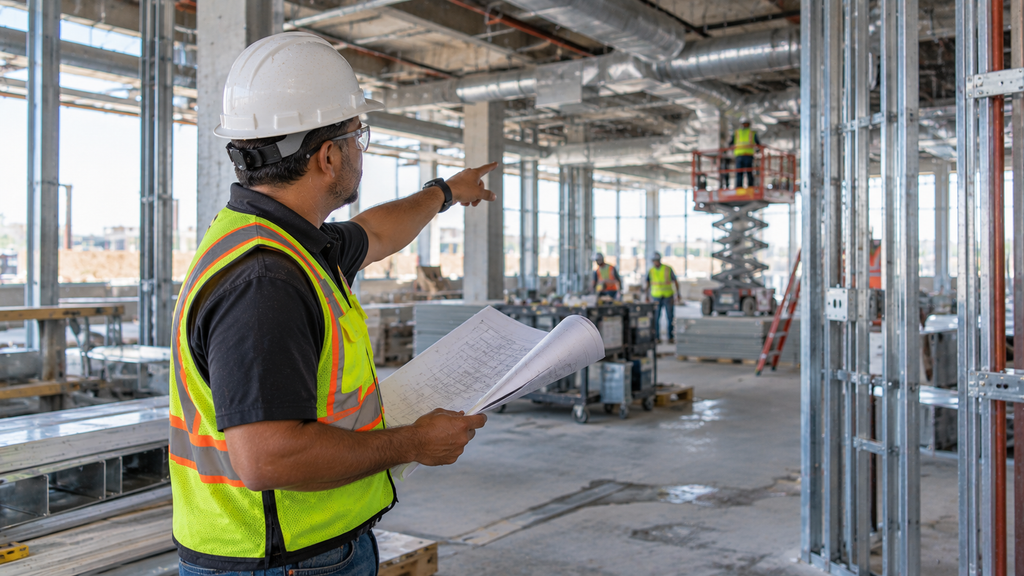
A plan, photo, email, change record, or other project document may contain useful information. But the person making a decision may still need to understand what happened afterward, whether something changed, or how that information relates to the situation they’re evaluating now.
Finding the right document doesn’t always mean you have enough context to understand the situation.
That’s why useful project information is more than a collection of files.
The person using it needs enough context to determine what matters to the decision in front of them.
Trusted Information Reduces the Work Before the Decision
Before someone can act on information, they may first need to determine whether they can rely on it.
Is this the current version?
Is something missing?
Do I need to check somewhere else?
Should I ask someone what happened?
Is there another record I haven’t seen?
Sometimes those questions are necessary.
Construction projects change, and not every situation can be reduced to a perfectly organized set of information.
But when people repeatedly have to search multiple places, compare information, confirm what’s current, or reconstruct what happened, they’re doing additional work before they can address the decision itself.
Before someone can make a decision, they may first have to decide whether they trust the information in front of them.
Consistent processes can help.
Clear standards can help.
Technology can help.
The objective isn’t to eliminate judgment or uncertainty.
It’s to reduce unnecessary uncertainty around the information people depend on.
Technology Should Help People Find What Matters
Technology has an important role in making project information useful.
It can help organize information.
It can make information easier to search and retrieve.
It can connect information to the right project.
It can help people access information from different locations.
It can help present information in ways that make important details easier to identify.
But the objective isn’t simply another application, another dashboard, or another place to collect information.
The business need comes first.
Someone needs to understand something.
The technology should help them get from that question to the information and context they need to evaluate it.
The objective is to make it easier for people to get from the question they’re trying to answer to the information they need to evaluate it.
How technology supports that should follow the business need.
Information Connects the Construction Operation
The Construction Technology Framework™ provides several ways to look at that information path.
Connect Teams
Can the right information reach the people who need it?
Support the Field
Can the people closest to the work capture and access the information that matters?
Manage Project Information
Can people find and understand the project information they need?
Reduce Risk
Can people rely on the information, and is it being handled appropriately?
Keep Projects Moving™
Can people get what they need without unnecessary effort slowing down the work?
Looking at those questions together helps shift the conversation away from individual applications.
The question isn’t simply whether the company has the technology to store and access information.
It’s whether that information supports the people responsible for doing the work and making decisions.
Information Supports the Decision. People Make It.
Construction companies don’t need more information simply because more information is better.
They need information because people throughout the business have work to do and decisions to make.
That makes the objective more specific.
Create the information the business actually needs.
Preserve the context that makes it useful.
Make it accessible to the people who depend on it.
Help them determine what matters to the situation in front of them.
Technology can help organize and surface the information.
Processes can help make it more consistent and reliable.
But people still have to understand the situation and decide what to do next.
That’s Construction First. Technology Second.
Because the goal isn’t more information.
It’s better information supporting better decisions.
Better Decisions Keep Projects Moving™.
Make Project Information Support Better Decisions
The Construction Technology Review™ looks beyond individual applications to understand how information supports the people responsible for running projects and making decisions.
Using the Construction Technology Framework™, M-Squared Networks looks at how people, processes, project information, and technology work together, where unnecessary friction or uncertainty may exist, and where improvements could better support the way your construction company operates.
The objective isn’t to give your team more information.
It’s to understand what information your people actually depend on and whether the processes and technology around it help them find, understand, and use what matters.
Take a closer look at whether your project information is supporting the decisions your people need to make.