
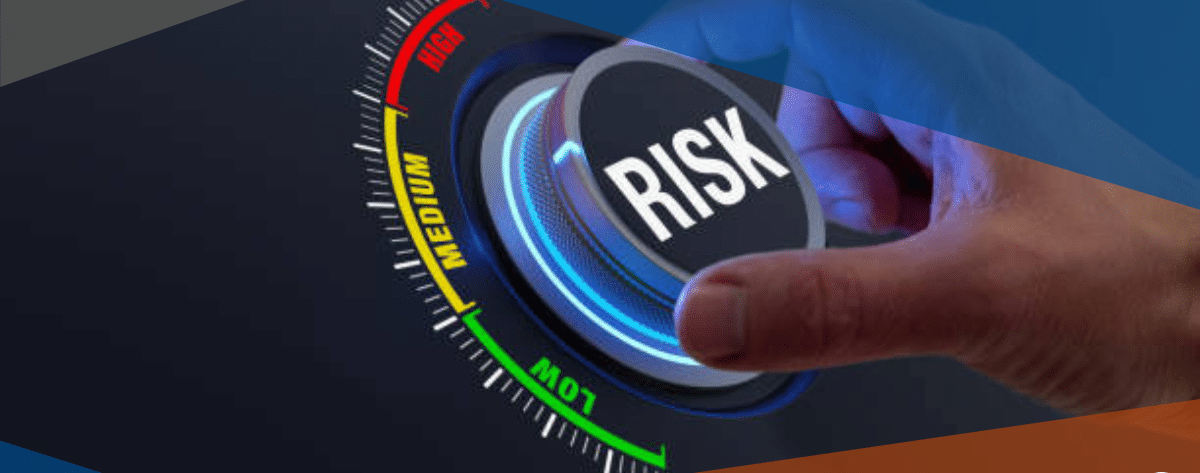
Underinvestment in IT rarely causes immediate collapse.
It causes slow operational erosion.
For construction companies across Southern California (Orange County, Inland Empire, and Los Angeles) with 20–100 employees, the risks of underinvesting compound gradually, then surface suddenly.
Most firms do not fail because of one catastrophic decision.
They fall behind through accumulated friction.
Let’s examine the long-term risk model.
The Compounding Risk Framework of Underinvestment
- Operational Drag Accumulation
- Infrastructure Decay Curve
- Security Exposure Acceleration
- Competitive Capability Divergence
- Exit & Valuation Impact
1. Operational Drag Accumulation
Small inefficiencies compound:
- 3–5 minutes waiting for file sync
- Occasional jobsite connectivity lag
- Slow device boot times
- Minor inspection documentation delays
Individually, these feel manageable.
But across:
- 50 employees
- 220 working days per year
Even 10 minutes lost per employee per day equals:
~1,833 labor hours annually
At an average $50/hour burdened rate:
That’s $90,000+ in hidden productivity loss per year.
Operational drag is invisible until measured.
2. Infrastructure Decay Curve
Technology infrastructure follows a decay cycle:
Years 1–3:
- Stable performance
- Minimal failure risk
Years 4–5:
- Increased maintenance
- Patch complexity rises
- Performance degradation begins
Years 5+:
- Hardware failure spikes
- Compatibility issues multiply
- Emergency replacement frequency increases
Underinvestment delays upgrades, but accelerates emergency spending.
Emergency spending is always more expensive than planned lifecycle investment.
3. Security Exposure Acceleration
Outdated systems create:
- Patch gaps
- Inconsistent MFA enforcement
- Weak endpoint protection
Ransomware probability increases with age and fragmentation.
Industry studies show that mid-sized firms with aging infrastructure experience incident rates 2–4x higher than firms with structured update cycles.
One moderate ransomware event can cost:
- $50,000–$150,000 in recovery
- Weeks of disruption
- Insurance premium increases
Security exposure compounds annually.
Not sure where you stand? We help construction companies identify IT risks, insurance gaps, and jobsite issues before they become problems.
4. Competitive Capability Divergence
This is where underinvestment becomes strategic.
Competitors investing in:
- Standardized connectivity
- Cloud optimization
- Real-time coordination
- Proactive monitoring
Operate faster.
The gap doesn’t appear overnight.
It widens over 3–5 years.
Eventually:
- They win bids faster
- They coordinate inspections more efficiently
- They scale projects with less friction
Underinvesting firms begin to feel “always slightly behind.”
That is competitive drift.
5. Exit & Valuation Impact
For owners planning succession or sale:
Buyers evaluate:
- Infrastructure maturity
- Security posture
- Operational stability
- Dependency risk
Underinvested IT environments reduce perceived operational maturity.
That can impact valuation multiples significantly.
Technology maturity is now part of due diligence.
Real Example
A 65-employee contractor in the Inland Empire postponed infrastructure upgrades for six years.
Symptoms appeared gradually:
- Increased helpdesk incidents
- Slower file synchronization
- Two minor security scares
- Growing employee frustration
Eventually:
- Emergency server replacement
- Ransomware remediation costs
- Rapid, unplanned technology overhaul
The total 12-month IT spend exceeded what proactive upgrades would have cost over three years.
Executive Takeaway
Underinvesting in construction IT does not create immediate pain.
It creates gradual instability.
The firms that lead in Southern California construction treat IT as:
- Infrastructure
- Risk control
- Growth enablement
Not discretionary overhead.
Delaying maturity does not save money.
It compounds operational drag.
Talk to a Construction IT Expert
If you’re a general contractor or subcontractor with 20–100 employees and want to understand your real IT risks, costs, or gaps, talk to an expert who specializes in construction environments.
No pressure. Just clear answers.