
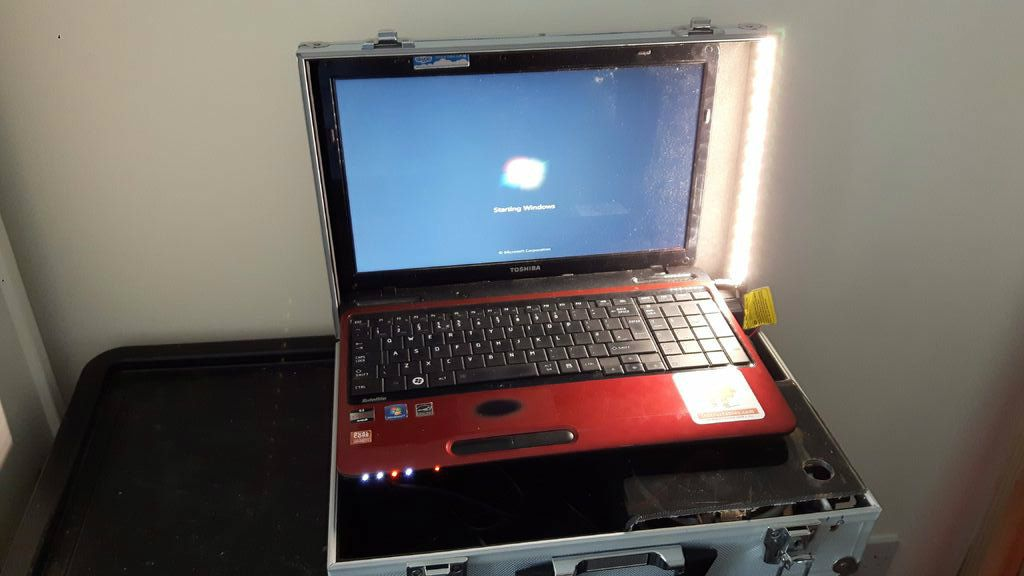
Many construction companies delay IT upgrades until something breaks.
For companies with 20–100 employees, this often feels like a cost-saving decision — but in reality, it leads to higher long-term costs through downtime, security risks, and operational inefficiencies.
Here’s why delays happen — and what they actually cost.
Reason 1 – Budget Concerns
Many contractors view IT upgrades as an expense rather than an investment.
Common thinking:
- “We’ll upgrade next year”
- “It still works for now”
The issue is that delayed upgrades often result in emergency spending, which is significantly more expensive.
Reason 2 – “It Still Works” Mindset
Outdated systems may appear functional but create hidden risks:
- Slower performance
- Compatibility issues with newer software
- Increased likelihood of failure
This mindset often leads to unexpected outages at the worst possible time.
Reason 3 – Lack of Strategic Planning
Without an IT roadmap, upgrades become reactive instead of planned.
This leads to:
- Inconsistent systems
- Budget surprises
- Poor long-term scalability
Without a structured plan, upgrades become reactive. Here’s how to build a 3–5 year IT roadmap for construction companies to avoid these issues.
Not sure where you stand? We help construction companies identify IT risks, insurance gaps, and jobsite issues before they become problems.
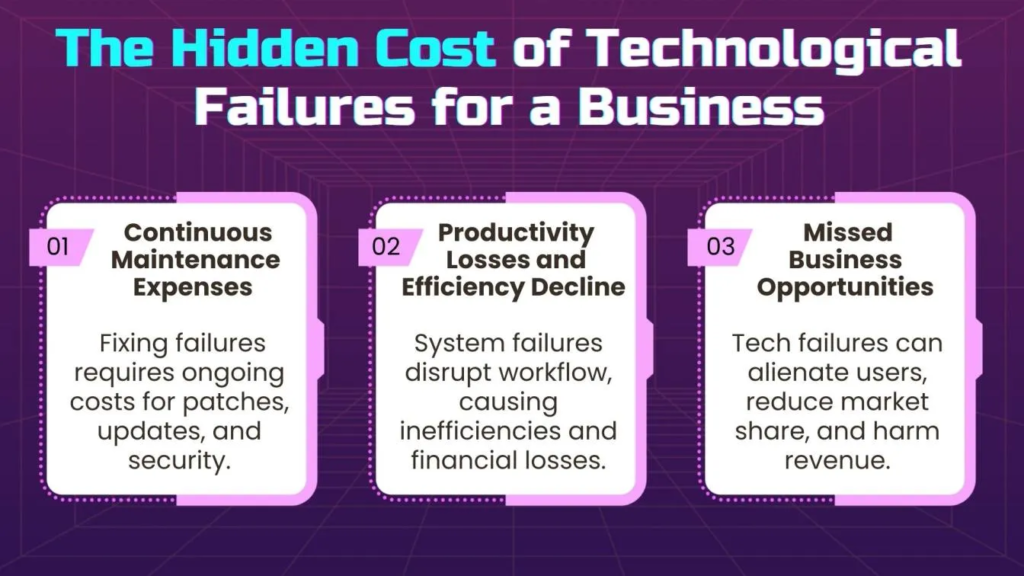
The Real Cost of Delaying IT Upgrades
Delaying upgrades typically results in:
1. Downtime Costs
Even a short outage can cost $2,000–$5,000+ per hour
These losses add up quickly. Contractors should understand how much downtime actually costs a construction company when evaluating upgrade decisions.
2. Security Risks
Outdated systems are more vulnerable to:
- Ransomware
- Phishing
- Data breaches
3. Lost Productivity
Slow systems reduce efficiency across:
- Field teams
- Office staff
Real Example
A subcontractor delayed replacing outdated laptops and network equipment.
When systems failed during an active project:
- Work paused for several hours
- File access was disrupted
- Emergency replacements cost significantly more than planned upgrades
Final Takeaway
Delaying IT upgrades often feels like saving money — but it usually results in higher costs, increased risk, and operational disruptions.
Proactive planning ensures upgrades happen on your timeline — not during a crisis.
Talk to a Construction IT Expert
If you’re a general contractor or subcontractor with 20–100 employees and want to understand your real IT risks, costs, or gaps, talk to an expert who specializes in construction environments.
No pressure. Just clear answers.