
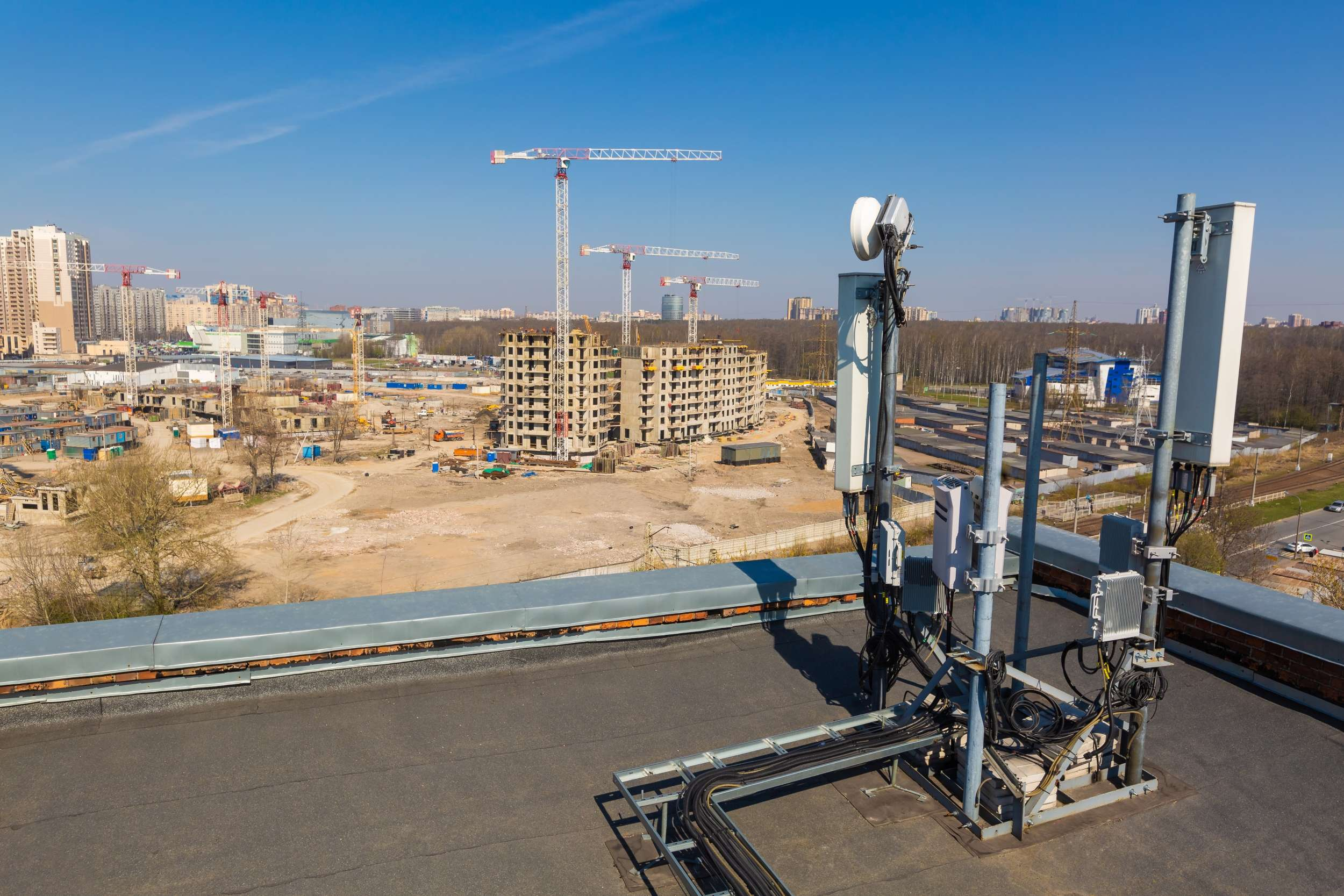
Construction companies across Southern California (Orange County, Inland Empire, and Los Angeles) rely heavily on internet connectivity from day one of a project.
For companies with 20–100 employees, poor internet setup at the beginning of a job can lead to:
- Delayed inspections
- File access issues
- Communication breakdowns
- Lost productivity
The key is setting up jobsite internet correctly from the start.
Here’s the best approach.
1. Start with the Right Primary Connection
The first step is choosing the best primary internet option based on the jobsite location.
Common options include:
- Fiber (best performance, limited availability)
- Fixed wireless (strong balance of speed and reliability)
- LTE / 5G (fast to deploy, but less stable long-term)
Each site is different, but the goal is consistent, reliable access for field teams.
Connectivity decisions matter. Compare SD-WAN vs fixed wireless vs LTE/5G for construction jobsites.
2. Always Plan for Backup Internet (Failover)
One of the most common mistakes is relying on a single connection.
A proper setup includes:
- A primary connection
- A secondary backup connection
- Automatic failover between the two
This ensures that if one connection goes down, operations continue without disruption.
Not sure where you stand? We help construction companies identify IT risks, insurance gaps, and jobsite issues before they become problems.
3. Use Pre-Configured Network Equipment
Instead of building each jobsite network from scratch, companies should deploy:
- Pre-configured firewalls
- Standardized routers
- Secure Wi-Fi setups
This allows:
- Faster deployment
- Consistent performance
- Easier troubleshooting
4. Secure the Network from Day One
Jobsite networks are often overlooked from a security standpoint.
At a minimum, every site should include:
- Password-protected Wi-Fi
- Network segmentation (separating devices and users)
- Firewall protection
- Device-level security
This reduces the risk of unauthorized access and data exposure.
5. Monitor Connectivity Proactively
Internet issues should be identified before they impact operations.
Proactive monitoring includes:
- Tracking uptime
- Monitoring performance
- Receiving alerts when issues occur
This allows teams to resolve problems quickly — often before users notice them.

Real Example
A contractor in the Inland Empire launched a new jobsite using only LTE for connectivity.
Within the first week:
- Upload speeds caused delays
- Inspections were impacted
- Teams experienced frequent disruptions
After upgrading to a fixed wireless primary connection with LTE backup:
- Connectivity stabilized
- Productivity improved
- Delays were eliminated
Final Takeaway
The best jobsite internet setup includes:
- The right primary connection
- A backup failover solution
- Standardized equipment
- Built-in security
- Proactive monitoring
Getting this right at the start of a project prevents costly delays and keeps construction operations running smoothly.
Talk to a Construction IT Expert
If you’re a general contractor or subcontractor with 20–100 employees and want to understand your real IT risks, costs, or gaps, talk to an expert who specializes in construction environments.
No pressure. Just clear answers.