

A secure jobsite network protects project data, inspection workflows, and billing operations.
Poorly designed jobsite networks often result in:
- Shared Wi-Fi passwords
- Unsecured devices
- Ransomware entry points
Here’s a simple 5-step framework.
Step 1 — Choose the Right Internet Source
Options:
- LTE / 5G
- Fixed wireless
- Fiber
Step 2 — Install a Business-Grade Firewall
Required features:
- Content filtering
- Intrusion detection
- VPN control
Firewalls are essential because of the cybersecurity risks unique to construction companies operating in open jobsite environments.
Not sure where you stand? We help construction companies identify IT risks, insurance gaps, and jobsite issues before they become problems.
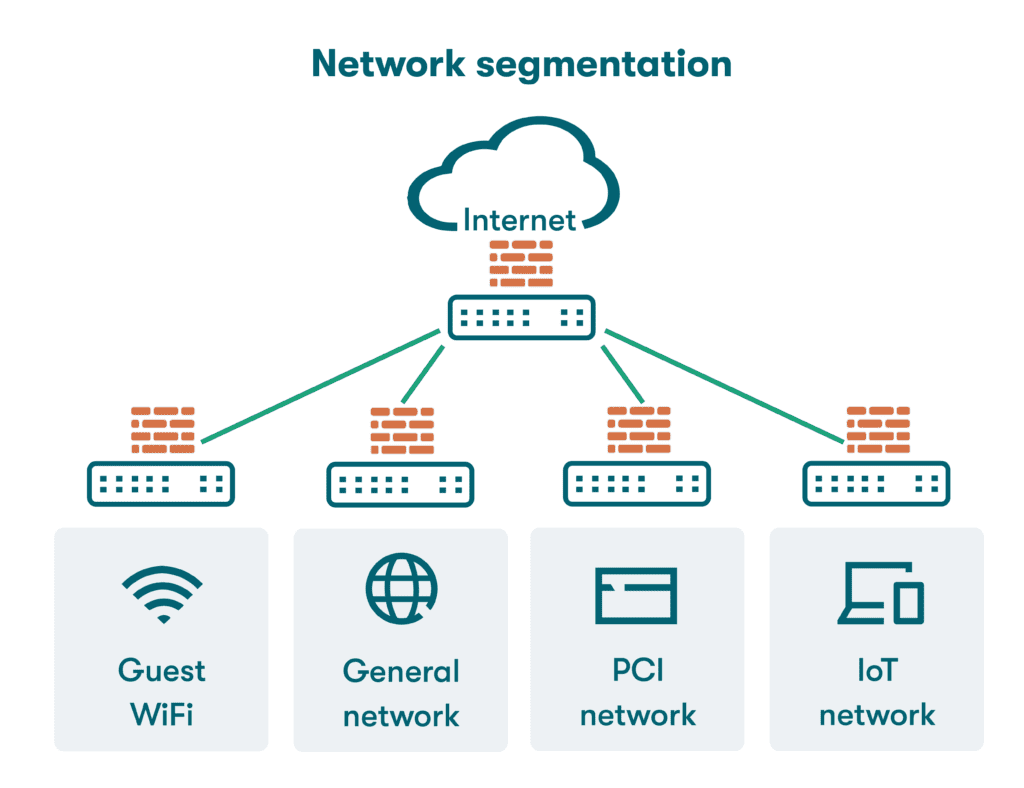
Step 3 — Segment Wi-Fi Networks
Create separate networks for:
- Office staff
- Field supervisors
- Guests
Never use a single shared SSID.
Step 4 — Enable Monitoring & Logging
Monitor:
- Login attempts
- Traffic spikes
- Unauthorized devices
Poor monitoring often delays detection. Contractors should understand what happens when a construction company gets ransomware to see how network gaps impact recovery timelines.
Step 5 — Plan for Failover
Always include secondary internet if the site is inspection-dependent.
Real Example
A subcontractor running a single shared Wi-Fi network experienced unauthorized access via a vendor device.
After segmentation and firewall installation:
- Security improved
- Device control strengthened
Talk to a Construction IT Expert
If you’re a general contractor or subcontractor with 20–100 employees and want to understand your real IT risks, costs, or gaps, talk to an expert who specializes in construction environments.
No pressure. Just clear answers.