

Construction companies often make IT decisions reactively — replacing equipment when it fails or adding tools when a problem appears.
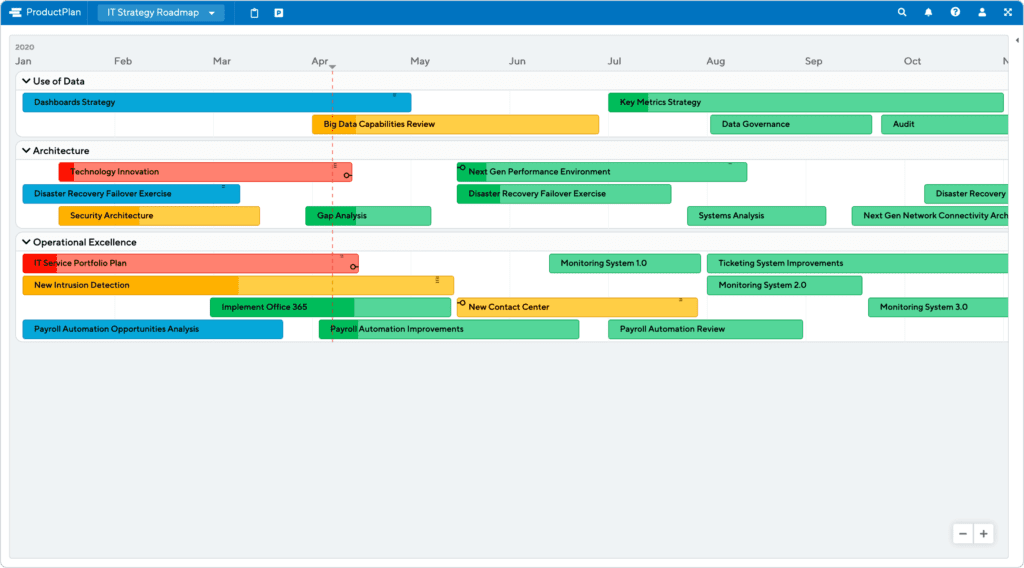
A better approach is creating a 3–5 year IT roadmap that aligns technology investments with business growth.
For construction firms with 20–100 employees, an effective roadmap typically includes planning for:
- Device lifecycle replacement
- Jobsite connectivity expansion
- Cybersecurity and compliance improvements
- Cloud collaboration tools
- Disaster recovery readiness
Below is a simple framework construction leadership teams can follow.
Step 1 – Evaluate Current Infrastructure
Start with a full inventory:
- Laptops and tablets
- Network equipment
- Jobsite connectivity
- Software platforms
Many companies discover aging equipment or security gaps during this process.
Step 2 – Align Technology with Business Growth
Ask leadership questions such as:
- How many new projects will we run annually?
- Will our workforce grow?
- Are we expanding geographically?
Your IT infrastructure must scale alongside project demand.
Expansion often requires improved connectivity as well. Contractors should review the best jobsite Wi-Fi options for construction sites when planning infrastructure upgrades.
Step 3 – Plan Security and Compliance Investments
Cyber insurance requirements and data protection standards evolve quickly.
Planning security upgrades early avoids surprise compliance failures.
Not sure where you stand? We help construction companies identify IT risks, insurance gaps, and jobsite issues before they become problems.
Step 4 – Budget for Lifecycle Replacement
Typical technology lifecycles:
- Laptops: 3–4 years
- Network equipment: 5–7 years
- Security platforms: 3–5 years
Budgeting for predictable replacement prevents emergency spending.
Predictable replacement planning also helps stabilize budgets. Here’s a deeper breakdown of what IT typically costs for construction companies in Orange County.
Step 5 – Establish an Annual Review Process
Your roadmap should evolve each year as new projects, regulations, and technologies emerge.
Real Example
A Southern California subcontractor with 58 employees created a three-year roadmap that prioritized:
- Jobsite connectivity improvements
- Microsoft 365 security upgrades
- Backup infrastructure
The company reduced emergency IT spending by over 40%.
Final Takeaway
A strategic IT roadmap transforms technology from a reactive expense into a predictable investment that supports growth.
Talk to a Construction IT Expert
If you’re a general contractor or subcontractor with 20–100 employees and want to understand your real IT risks, costs, or gaps, talk to an expert who specializes in construction environments.
No pressure. Just clear answers.