
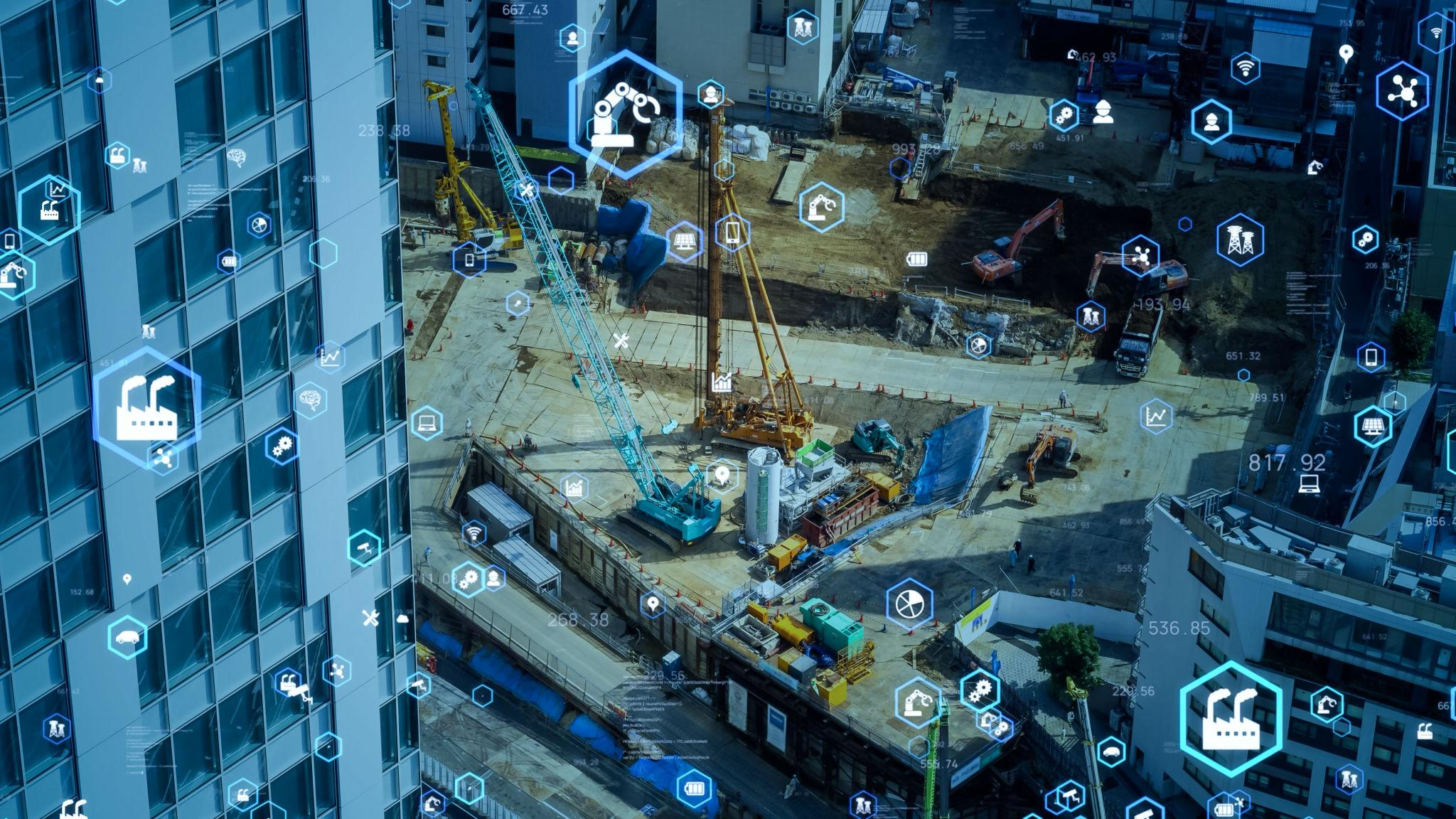
Construction IT is evolving quickly, driven by mobile workforces, cloud tools, and increasing security requirements.
For construction companies across Southern California, including Orange County, Inland Empire, and Los Angeles, the next 3–5 years will bring major changes in how technology supports jobsite operations.
For companies with 20–100 employees, staying ahead of these changes can improve efficiency, reduce downtime, and strengthen security.
1. Fully Connected Jobsites
Future jobsites will rely on:
- Always-on internet connectivity
- Redundant connections (primary + backup)
- Real-time access to plans, files, and communication tools
Reliable connectivity will no longer be optional: it will be required for inspections, collaboration, and project management.
2. Increased Security Requirements
Cybersecurity expectations will continue to increase.
Construction companies should expect:
- Mandatory multi-factor authentication (MFA)
- Stronger endpoint protection
- More frequent cyber insurance audits
- Increased focus on ransomware prevention
Security will become a baseline requirement, not an add-on.
3. Standardized IT Environments
Construction companies will move toward:
- Standardized laptops and tablets
- Consistent software environments
- Centralized device management
This improves reliability and makes it easier to support multiple jobsites.
Planning ahead is key. Learn how to build a 3–5 year IT roadmap for construction companies.
Not sure where you stand? We help construction companies identify IT risks, insurance gaps, and jobsite issues before they become problems.

4. Greater Use of Cloud Platforms
Cloud platforms will continue to dominate construction workflows.
Common tools include:
- Procore
- Microsoft 365
- Bluebeam
These platforms enable:
- Real-time collaboration
- Secure file access
- Improved project visibility
Companies that properly configure and secure these tools will operate more efficiently.
5. Proactive IT Management
The shift from reactive to proactive IT will accelerate.
Instead of fixing problems after they happen, companies will focus on:
- Monitoring systems 24/7
- Preventing downtime
- Automating maintenance
This reduces disruptions and keeps projects moving.
Real Example
A contractor operating across Southern California implemented standardized systems, improved connectivity, and proactive monitoring.
As a result:
- Downtime decreased significantly
- Project efficiency improved
- IT costs became more predictable
Final Takeaway
Construction IT is moving toward:
- Always-connected jobsites
- Stronger security standards
- Standardized systems
- Proactive management
Companies that adopt these changes early will gain a competitive advantage in efficiency, scalability, and project execution.
These trends are already shaping services today. See what construction IT services in Southern California include.
Talk to a Construction IT Expert
If you’re a general contractor or subcontractor with 20–100 employees and want to understand your real IT risks, costs, or gaps, talk to an expert who specializes in construction environments.
No pressure. Just clear answers.