
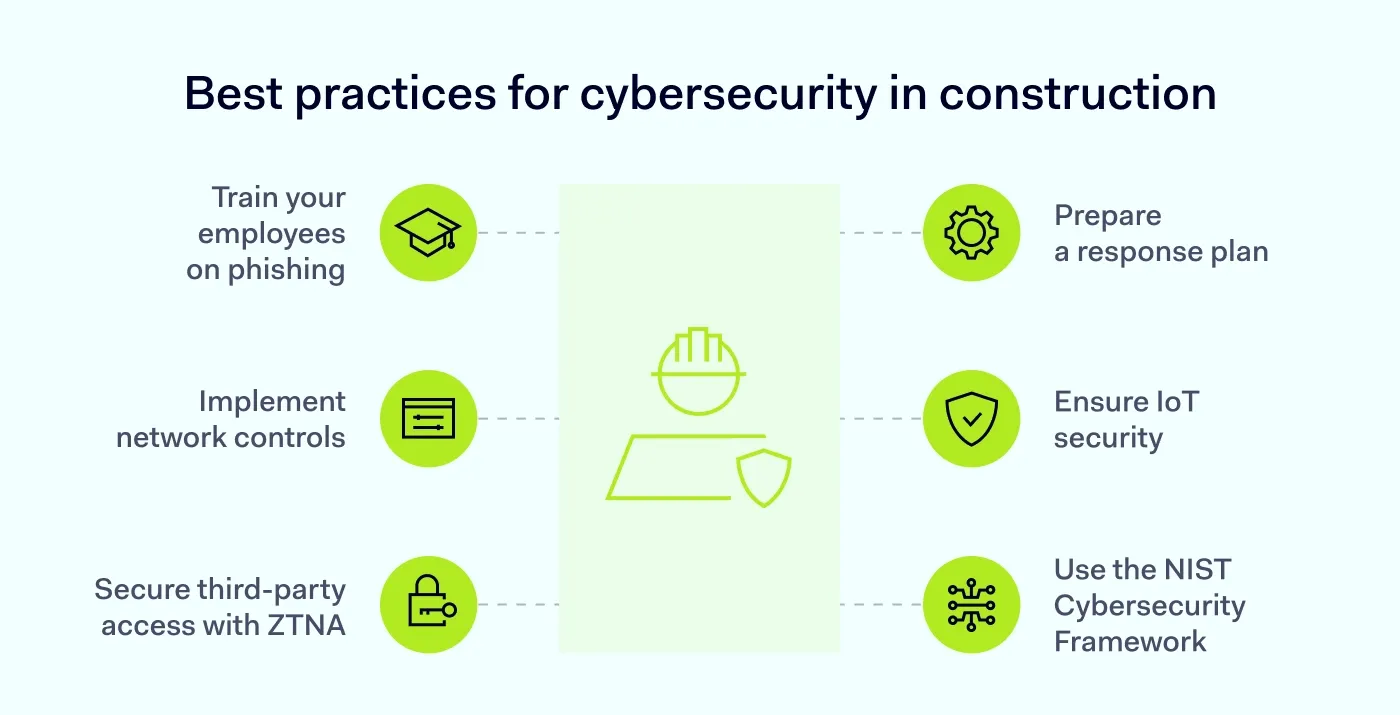
Construction companies face 2–3× higher cybersecurity risk than traditional office-based businesses. The reason isn’t sophistication—it’s environment. Mobile crews, temporary jobsites, shared devices, third-party access, and constant file sharing create far more exposure than a fixed office setup.
For construction firms with 20–100 employees, a single cyber incident can cost $50,000 to $250,000 in downtime, project delays, lost data, and insurance complications. The good news: most construction-specific cyber risks are predictable and preventable with the right controls.
Below are the six cybersecurity risks unique to construction—and exactly how contractors prevent them.
1. Unsecured Jobsite Networks
The risk:
Temporary jobsite Wi-Fi is often built quickly using consumer-grade routers, shared passwords, or open networks. These setups are easy targets for attackers and make it simple to intercept project data.
Why construction is different:
Jobsites change frequently, networks are temporary, and multiple vendors connect daily.
How to prevent it:
- Encrypted, managed jobsite Wi-Fi
- Network segmentation (crews vs vendors)
- LTE/5G failover with monitoring
Impact:
Secure jobsite networks reduce unauthorized access incidents by 60–80%.
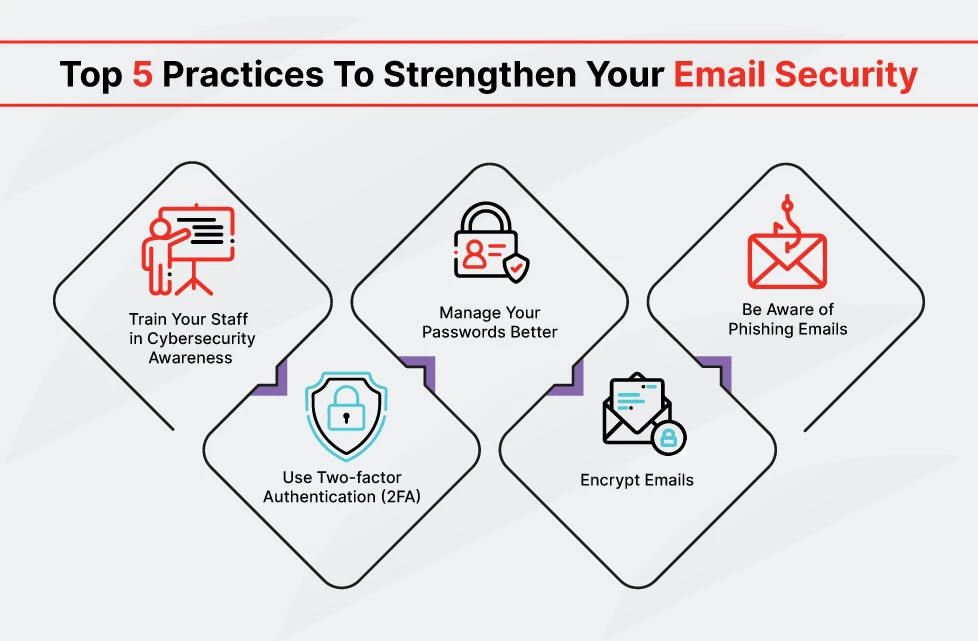
2. Phishing and Email-Based Attacks

The risk:
Construction companies process invoices, wire transfers, change orders, and vendor emails constantly—making them prime phishing targets.
Common outcomes:
- Fake vendor payment requests
- Compromised email accounts
- Unauthorized file access
How to prevent it:
- Advanced email filtering
- Multi-factor authentication (MFA)
- Ongoing phishing awareness training
Typical benchmark:
Construction users receive 3–5 phishing attempts per user per month—blocking them early prevents major financial loss.
3. Lost or Stolen Field Devices
The risk:
Laptops, tablets, and phones are frequently lost on jobsites or left in vehicles. Without proper controls, these devices expose project files, credentials, and client data.
Why it’s common in construction:
- Devices move daily between sites
- Shared or rugged equipment
- Long workdays increase human error
How to prevent it:
- Full-disk encryption
- Mobile Device Management (MDM)
- Remote lock and wipe
Reality check:
Lost devices account for 20–30% of construction-related data exposure incidents.
4. Overexposed Project Files and Shared Logins
The risk:
Shared usernames, excessive permissions, and open cloud folders expose CAD, BIM, and contract data to people who shouldn’t have access.
Construction-specific challenge:
Project teams change frequently and include subcontractors, vendors, and temporary staff.
How to prevent it:
- Role-based access controls
- Individual user accounts (no sharing)
- Secure access to Procore, Buildertrend, and cloud apps
Best practice:
Most firms need 5–8 distinct access roles to properly secure project data without slowing work.
Not sure where you stand? We help construction companies identify IT risks, insurance gaps, and jobsite issues before they become problems
5. Ransomware Targeting Active Jobsites
The risk:
Ransomware locks files and systems, halting work immediately. For construction companies, downtime directly delays projects and revenue.
Preventing extended downtime also depends on how quickly data can be restored, which is why cloud backup and disaster recovery for subcontractors is critical after a cyber incident.
Why construction is targeted:
- Tight deadlines
- High cost of delays
- Historically weaker security controls
How to prevent it:
- Endpoint Detection & Response (EDR)
- DNS and web filtering
- Immutable, offline backups
Cost comparison:
Prevention typically costs a fraction of ransomware recovery, which often exceeds $100,000 for mid-size contractors.
6. Cyber Insurance and Compliance Gaps
The risk:
Many construction companies discover security gaps only when renewing insurance or after an incident.
Common failure points:
- No MFA
- Weak backup strategy
- No incident response documentation
How to prevent it:
- Insurance-aligned security controls
- Documented policies and response plans
- Ongoing monitoring and reporting
Outcome:
Companies that align IT with insurance requirements see faster approvals and fewer coverage exclusions.
Real Construction Cybersecurity Example
A subcontractor with 55 employees experienced a phishing attack that compromised a project manager’s email account. Project files were accessed, and billing was delayed.
After implementing construction-specific cybersecurity controls:
- Phishing incidents dropped by 70%
- Insurance renewal approved within 30 days
- No security-related downtime over the next 12 months
What Proper Construction Cybersecurity Actually Includes
For most construction companies, effective cybersecurity includes:
- Jobsite-aware network security
- Device and endpoint protection
- Secure cloud access
- Backup and recovery
- Insurance-aligned controls
- Ongoing monitoring and support
This is typically bundled into a managed IT plan rather than purchased piecemeal.
Final Takeaway
Construction companies aren’t targeted because they’re careless—they’re targeted because their environment is complex and mobile.
Cybersecurity failures in construction don’t just affect IT:
- Projects stall
- Deadlines slip
- Insurance claims get complicated
- Revenue is delayed
The right controls reduce risk dramatically without slowing crews down.
Security requirements also directly affect pricing. Here’s what IT typically costs for construction companies in Orange County and what’s included.
Talk to a Construction IT Expert
If you’re a general contractor or subcontractor with 20–100 employees and want to understand your real IT risks, costs, or gaps, talk to an expert who specializes in construction environments.
No pressure. Just clear answers.